
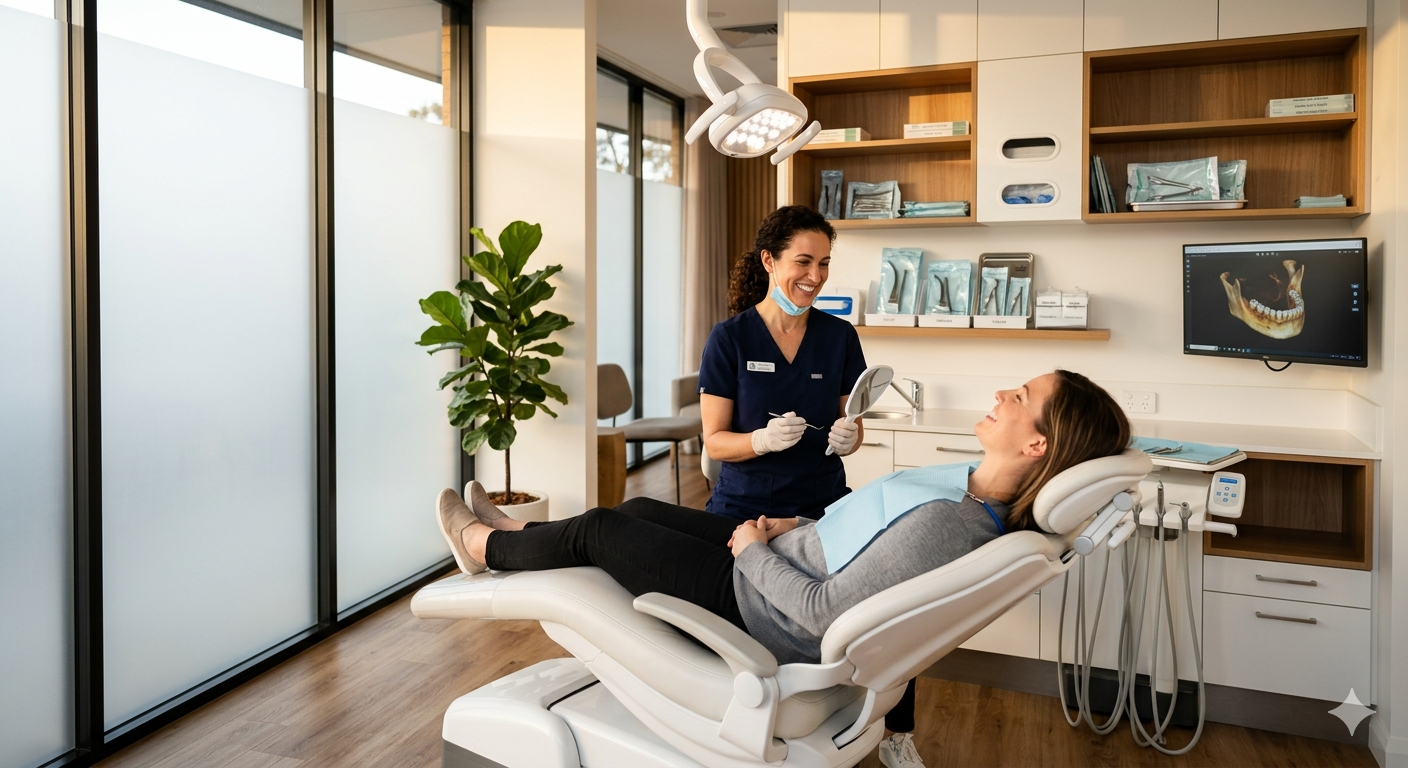
When a dental emergency strikes in Miami, knowing where to turn can make a big difference in pain relief and preserving your smile. An emergency dentist in Miami, FL, offers prompt care for issues like severe toothaches, broken teeth, or infections, giving patients quick attention when they need it most.
Many people worry about what counts as a true dental emergency or fear they won’t get timely help. The good news is that local emergency dentists understand these concerns and provide flexible appointments with calm, expert care to ease discomfort and prevent further damage.
Whether it’s a weekend or late at night, emergency dental services in Miami focus on comfort and efficient treatment. If you ever find yourself with urgent dental pain or injury, they encourage you to reach out immediately—quality care is available to help you get through the crisis.
What Is an Emergency Dentist and When Should You Call One?
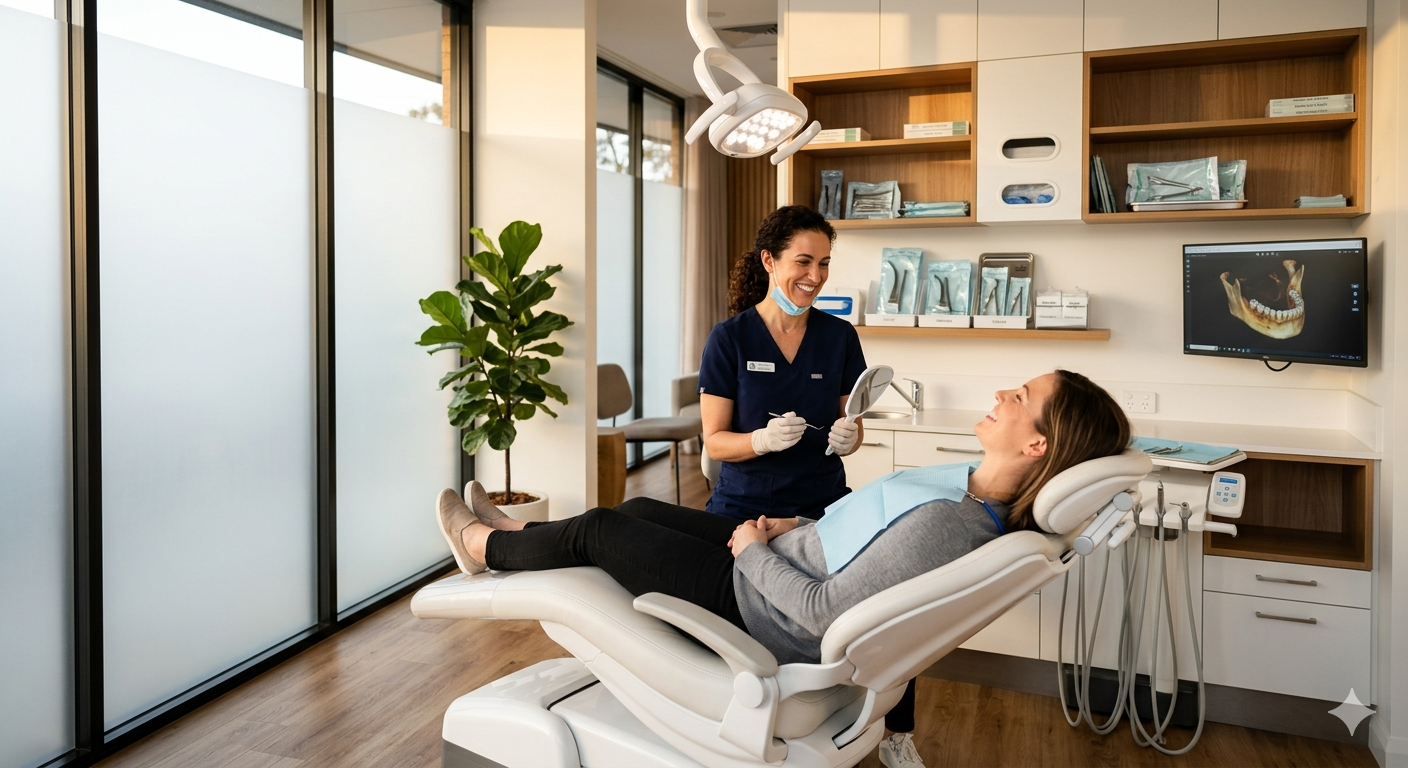
An emergency dentist specializes in treating urgent dental problems that require immediate attention. Not every toothache or broken tooth demands a visit to the emergency room, but knowing when to call an emergency dentist can save pain and prevent complications. The right timing and understanding the severity of symptoms are key.
Common Dental Emergencies
Emergency dentists handle issues like severe toothaches, broken or knocked-out teeth, lost fillings or crowns, and infections causing swelling or fever. Injuries from accidents that cause damage to the mouth or jaw are also critical cases.
Some emergencies include:
- Uncontrolled bleeding in the mouth
- Sudden, sharp dental pain
- Severe swelling affecting breathing or swallowing
- A tooth completely knocked out
Prompt treatment often preserves teeth and prevents infection. If left untreated, dental trauma or infections can worsen quickly.
Recognizing Dental Pain Versus Discomfort
Not all mouth pain is an emergency. Mild discomfort or sensitivity can result from eating hot or cold foods and often improves with routine care. Emergency pain is usually sudden, intense, and does not go away with over-the-counter pain relief.
If pain lasts more than a day, increases in severity, or is accompanied by swelling, fever, or difficulty opening the mouth, it signals a need for urgent care. Distinguishing between tolerable discomfort and real emergencies helps avoid unnecessary stress and ensures timely treatment.
When to Seek Immediate Care
Immediate dental care is necessary when there is bleeding that does not stop, a tooth knocked completely out, or severe pain that causes nausea or fever. Difficulty breathing or swallowing due to jaw swelling also requires urgent attention.
If damage from trauma leaves a tooth loose or pushed out of place, waiting can cause permanent damage. Emergency dentists in Miami often offer same-day appointments to relieve pain, clean wounds, and stabilize injuries quickly.
Knowing when to reach out and getting care right away improves outcomes and helps patients feel safe in painful situations.
Types of Dental Emergencies Treated in Miami FL
Miami emergency dentists handle a variety of urgent dental issues that can cause severe pain or damage. These cases often require quick attention to relieve discomfort and prevent further complications.
Severe Toothaches and Infections
Severe toothaches can signal deep cavities, nerve damage, or infections like abscesses. These infections often cause swelling, fever, and intense pain, making prompt treatment vital.
Emergency dentists typically examine the affected tooth and may perform root canal therapy or tooth extraction if the infection is advanced. Antibiotics are sometimes prescribed to control bacterial spread before further procedures.
Pain relief and infection control are priorities. Patients are advised to avoid chewing on the sore side and maintain good oral hygiene to reduce irritation until treatment.
Broken or Knocked-Out Teeth
A broken tooth might range from a small chip to a painful fracture exposing the tooth’s nerve. Knocked-out teeth require immediate action to improve chances of saving the tooth.
Emergency dentists in Miami often recommend rinsing the tooth gently (if knocked out) and attempting to reinsert it if possible. Time is critical, with the best outcomes occurring when treatment happens within an hour.
They may stabilize the tooth using splints or perform restorative procedures such as bonding, crowns, or root canals, depending on the damage severity.
Damaged Fillings or Crowns
Damaged or lost fillings and crowns can expose sensitive tooth areas, causing discomfort and increasing decay risk. Such damage often happens during eating or due to grinding teeth.
Emergency dental care focuses on protecting the exposed tooth surface and preventing further damage or infection. Temporary fillings or cements are frequently used until a permanent fix can be done.
Prompt repair by an emergency dentist helps maintain tooth strength and function, avoiding more extensive treatments later.
What to Do During a Dental Emergency
In a dental emergency, quick and careful actions can make a big difference in saving a tooth and reducing pain. Knowing the right steps to take immediately helps prevent further damage and sets the stage for prompt treatment.
First Steps for Tooth Injuries
If a tooth is knocked out, she should find it quickly and rinse it gently with water—avoid scrubbing to protect the root. Placing the tooth back in the socket or keeping it in milk or saliva can preserve it until the dentist arrives. For cracked or chipped teeth, rinsing the mouth with warm water and applying cold compresses to the face helps limit swelling and pain.
Bleeding from the mouth should be controlled by applying gentle pressure with a clean cloth or gauze. If bleeding does not stop after 10-15 minutes, seeking immediate professional care is essential.
Managing Pain and Swelling
Over-the-counter pain relievers like ibuprofen can ease discomfort unless contraindicated. Avoid aspirin, as it can increase bleeding. Cold packs applied to the outside cheek for 10-20 minutes every hour can reduce swelling and numb pain.
She should avoid hot or cold drinks if sensitivity is high, and stick to soft foods that won’t irritate the injury. Rinsing with warm salt water can also promote healing but must be done gently.
Protecting Your Oral Health Until Treatment
He should avoid chewing on the injured side to prevent further damage. If a partial tooth breaks off, saving the pieces and bringing them to the dentist may help with restoration.
Maintaining oral hygiene is important, but brushing around the injured area should be done carefully to avoid disturbing it. Drinking plenty of water assists in keeping the mouth clean.
Promptly contacting an emergency dentist in Miami FL ensures that the injury receives the right care, preventing complications and easing pain.
Finding the Right Emergency Dentist in Miami FL
Choosing the right emergency dentist means balancing expertise, quick access, and gentle care. Patients need someone skilled who can respond promptly and make the experience as comfortable as possible. These core elements help ease the stress when dental problems arise unexpectedly.
Experience and Credentials to Look For
A trustworthy emergency dentist should have solid training and a proven track record in handling urgent dental issues. Look for dentists who are licensed, carry special certifications, and have years of experience with procedures like tooth extractions, root canals, or treatments for trauma.
Check for reviews or ask about their history dealing with emergencies. Certifications from organizations such as the American Dental Association or locally recognized dental boards offer reassurance. Experience with advanced pain management techniques is also valuable, especially to keep patients calm during urgent care.
Availability and Fast Response Times
Timely care is crucial when dental pain or injury strikes. A reliable emergency dentist in Miami should offer extended hours, including nights and weekends. They might provide same-day appointments or even walk-in services to minimize waiting.
Some practices even have a 24/7 hotline to help patients know exactly what to do next. Quick response often means less pain and fewer complications, so it’s important to verify the dentist’s emergency availability before a crisis occurs.
Patient Comfort and Gentle Care
Emergency dental visits can be stressful, so dentists who prioritize patient comfort make a big difference. This includes using modern numbing techniques, creating a calming office environment, and explaining treatments clearly.
A caring dentist will listen closely to the patient’s concerns and tailor the approach to reduce anxiety. Pain control and gentle handling aren’t just kindness—they improve healing and overall experience, especially for those who dread dental visits.
Modern Emergency Dental Treatments
Emergency dental care in Miami uses the latest tools and techniques to relieve pain quickly and restore damaged teeth efficiently. From gentle sedation methods to advanced imaging and fast restorations, patients receive effective, comfortable solutions tailored to urgent needs.
Pain-Free Solutions and Sedation Options
Modern emergency dentists prioritize comfort with a range of pain relief and sedation methods. Local anesthesia is commonly used to numb the affected area immediately, easing pain during treatment.
For patients with dental anxiety or severe pain, sedation options like nitrous oxide (laughing gas) or oral sedatives help promote relaxation. These methods are safe and closely monitored. In some cases, intravenous (IV) sedation may be offered for deeper sedation during more complicated emergencies.
Dentists carefully choose sedation based on the procedure and patient’s health. The goal is to reduce stress and physical discomfort, making urgent dental care as painless and calm as possible.
Same-Day Restorations
Many emergencies require quick fixes to save teeth and restore function. Miami emergency dentists often provide same-day crowns, fillings, and bonding. These treatments prevent further damage and reduce the need for multiple visits.
Digital impressions and CAD/CAM technology allow dentists to design and produce crowns onsite. This means patients don’t have to wait weeks for lab-made restorations. For chipped or broken teeth, composite fillings or bonding can be shaped and hardened in one appointment.
Same-day restorations help patients return to normal eating and speaking quickly while protecting their smile.
Advanced Diagnostic Tools
Accurate diagnosis is critical for effective emergency dental care. Modern clinics in Miami use digital X-rays and 3D cone beam CT scans to pinpoint problems precisely.
These tools reveal issues that can’t be seen by the naked eye, like tooth fractures, infections, or jawbone damage. Digital images are available instantly, so dentists can formulate a treatment plan without delay.
Using advanced imaging improves outcomes by guiding precise treatments and avoiding unnecessary procedures. It also helps reassure patients through clear visual explanations.
How to Prevent Dental Emergencies
Taking small, consistent steps can dramatically reduce the chance of dental emergencies. Simple habits, the right protective equipment, and regular professional care create a strong defense for your teeth.
Daily Oral Hygiene Tips
Daily care is the frontline against dental problems. Brushing twice a day with fluoride toothpaste removes plaque and food particles that cause decay and gum disease. Flossing once a day reaches areas your brush can’t, preventing cavities between teeth.
Avoid using your teeth as tools—for opening bottles or packages—to protect them from chips and fractures. Also, limit sugary snacks and drinks; sugar feeds harmful bacteria and weakens enamel.
Rinsing with an antiseptic mouthwash can help reduce bacteria and freshen breath. Drinking plenty of water throughout the day supports saliva production, which naturally protects teeth by washing away debris and neutralizing acids.
Protective Gear for Sports
Wearing a properly fitted mouthguard during sports is vital. It cushions blows to the face and can prevent knocked-out, broken, or chipped teeth. Custom mouthguards made by a dentist provide better protection and comfort than store-bought versions.
For high-contact sports like football, hockey, or boxing, choose a design that also protects the jaw. Helmets with face shields add another layer of safety.
Encourage children and adults in active sports to make mouthguards a non-negotiable part of their gear. This simple step lowers the risk of painful injuries that often require emergency visits.
Regular Dental Checkups
Scheduling dental exams every six months allows for early detection of issues before they become emergencies. A dentist can spot small cracks, decay, or infections and treat them promptly.
Professional cleanings remove hardened plaque (tartar) that brushing misses, preventing gum disease and tooth loss. X-rays help identify problems under the surface, such as impacted teeth or abscesses.
Those with a history of dental injuries or specific conditions should follow any additional recommendations from their dentist. Consistent visits build a relationship where patients feel comfortable sharing concerns, leading to quicker, more effective care when needed.
Insurance and Payment Options for Emergency Dental Care
Emergency dental care in Miami, FL, can sometimes catch patients off guard, especially when it comes to costs. Many emergency dentists accept a variety of insurance plans to help ease the financial burden.
Most dental insurance policies cover at least part of emergency treatments, including exams, X-rays, and urgent procedures like tooth extractions or root canals. However, coverage levels can vary widely, so it’s wise to check the specific benefits with your provider before your visit.
For patients without insurance, many emergency dental offices offer flexible payment options. These may include:
- Payment plans that allow spreading out costs over time
- Credit card payments accepted on-site
- CareCredit and other healthcare financing services offering low or no-interest options
Some practices also provide discounts for cash payments or uninsured patients. It’s best to call ahead and ask about available financial assistance to avoid surprises.
Understanding insurance and payment options helps patients get the care they need promptly. If cost is a concern, the dental team can often provide guidance and support to make treatment manageable. Always encourage patients to discuss payment options openly before emergency dental work begins.
Next Steps: Reaching Out to a Miami Emergency Dentist
When a dental emergency strikes, the first step is to contact a trusted Miami emergency dentist right away. Many offices offer same-day appointments or after-hours services to address urgent issues quickly.
It helps to have key information ready before calling: patient details, description of the problem, and any pain level or bleeding. This allows the dental team to prioritize the situation effectively.
Here’s what to expect when reaching out:
- Initial phone consultation to assess the urgency
- Guidance on immediate care or pain relief at home
- Scheduling a prompt in-person visit if needed
If the emergency occurs outside normal office hours, Miami dentists often provide emergency contact numbers or direct you to nearby urgent care facilities equipped for dental needs.
Many dentists also accept walk-ins for emergencies, but calling first can reduce wait times and ensure the practice is prepared.
Encouraging patients to ask questions about the treatment process helps ease anxiety and builds trust. A warm conversation with the dental team can make a significant difference in feeling supported.
Taking action quickly can protect teeth and prevent complications. It’s always better to seek professional help sooner rather than later.
If you or someone you know faces a dental emergency in Miami, don’t hesitate to reach out to an experienced emergency dentist. They are ready to provide care, comfort, and clear guidance every step of the way.
Frequently Asked Questions
Dental emergencies can feel overwhelming, but knowing when to act quickly and what steps to take helps reduce pain and prevent further damage. Understanding treatment options and insurance concerns also makes urgent care easier to navigate.
How do I know if my tooth pain is a true emergency or something that can wait until tomorrow?
Severe, constant pain, swelling, or a sudden injury usually signals an emergency. Mild or occasional discomfort can often wait for a regular appointment.
If pain worsens, is accompanied by fever, or persistent bleeding occurs, it’s best to seek immediate care.
What should I do right away if I chip, crack, or knock out a tooth?
Rinse your mouth gently with warm water to clean the area. If a tooth is knocked out, try to place it back in the socket or keep it moist in milk or saline.
Contact the dentist immediately since timely care improves the chance of saving the tooth.
Can I be seen for an urgent dental problem if I don’t have dental insurance?
Yes, many emergency dentists offer flexible payment plans or accept patients without insurance. Some clinics provide affordable options based on your situation.
It’s important to call ahead and ask about costs and payment methods.
What can I do at home to safely manage dental pain or swelling until I’m seen?
Cold compresses applied outside the cheek can reduce swelling. Over-the-counter pain relievers like ibuprofen help ease discomfort, but avoid aspirin as it may increase bleeding.
Avoid very hot, cold, or sugary foods that can worsen pain or irritation.
Do you offer same-day or after-hours appointments for urgent dental issues?
Many emergency dentists in Miami provide same-day appointments or extended hours to accommodate urgent cases. This helps patients avoid long waits and get fast relief.
It’s recommended to call as early as possible to secure a slot.
When should I take my child to an emergency dentist for tooth pain or an injured tooth?
If a child has severe pain, swelling, or a broken tooth from an injury, see the dentist promptly. Early treatment protects developing teeth and prevents infections.
Persistent discomfort or difficulty eating also warrants a quick dental visit.