

Dental emergencies can happen to anyone, and when they do, finding quick and reliable care in Miami, FL is essential. Whether it’s a broken tooth, severe pain, or sudden swelling, immediate attention can prevent further damage and ease discomfort quickly. Emergency dental services in Miami are designed to provide prompt, expert care when unexpected issues arise.
Many local dental offices offer same-day appointments and after-hours availability to help patients avoid prolonged pain and complications. They focus on comfort and use modern techniques to address urgent problems efficiently. Knowing where to turn during a dental crisis can make a big difference in how smoothly the situation is handled.
Trustworthy emergency dentists in Miami not only treat the immediate issue but also guide patients on follow-up care and prevention. Feeling prepared and supported helps patients stay calm and confident, even in stressful situations. If you ever face a dental emergency, having a clear plan and expert help nearby is the best step forward.
Understanding Dental Emergencies
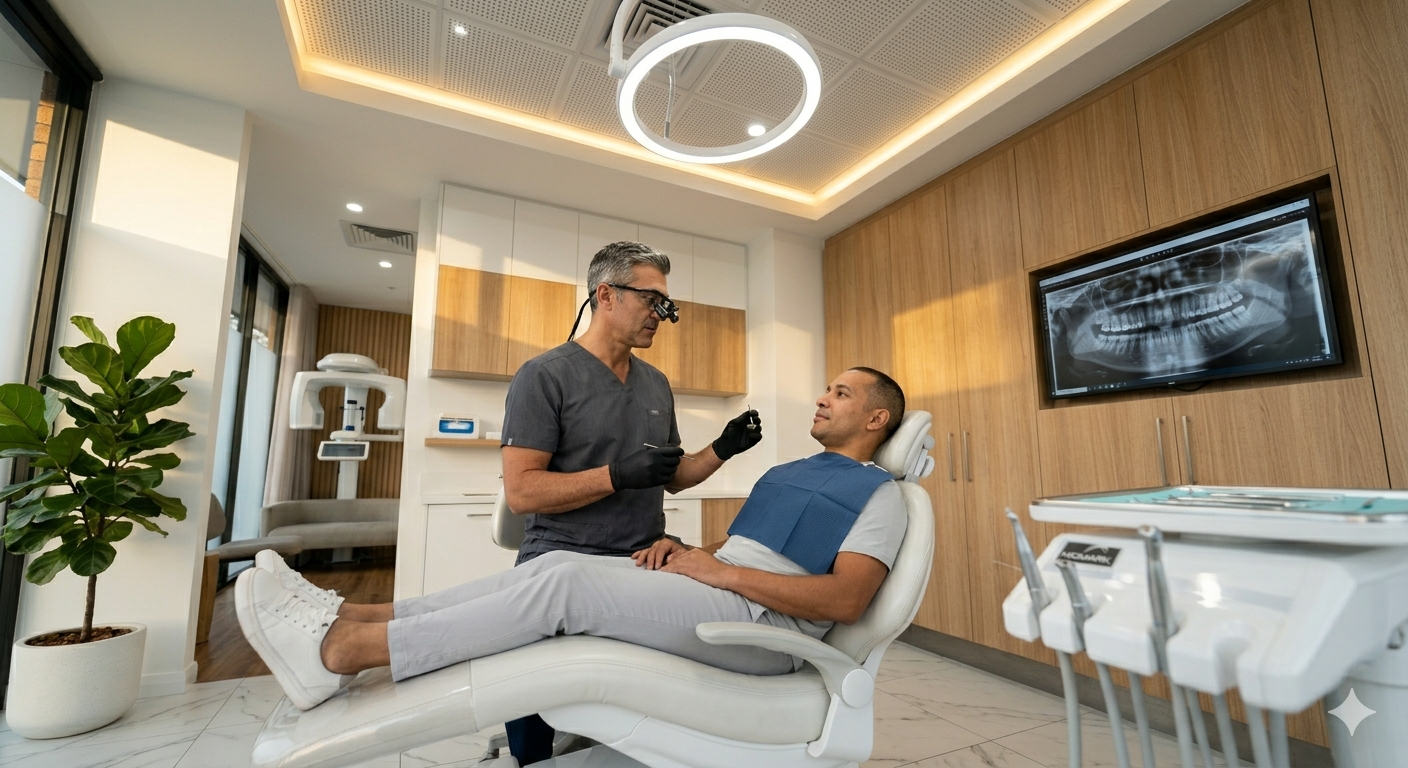
Dental emergencies can range from sudden pain to serious injuries requiring immediate care. Knowing what situations demand urgent attention helps people avoid complications and protect their oral health.
Most Common Types of Dental Emergencies
The most frequent dental emergencies include toothaches, knocked-out teeth, cracked or broken teeth, and abscess infections. Toothaches often signal decay or infection and need prompt evaluation. A knocked-out tooth is urgent; saving it within an hour can sometimes allow for reimplantation. Cracked or broken teeth cause pain and sensitivity, sometimes exposing nerves. Abscesses create swelling and fever, which require immediate treatment to prevent spread.
Other emergencies include lost fillings or crowns and dental trauma from falls or accidents, all needing quick professional care to prevent further damage.
How to Tell if It’s an Urgent Dental Issue
Urgent dental issues usually involve severe pain, uncontrolled bleeding, swelling, or visible damage to the teeth or soft tissues. If pain lasts more than a day or worsens despite painkillers, it signals a deeper problem. Bleeding that doesn’t stop after 20 minutes of pressure requires emergency attention.
Swelling around the face, jaw, or neck, especially with fever or difficulty breathing or swallowing, can indicate infection. Trauma that causes teeth to loosen, fall out, or significant jaw injury should always be treated immediately.
Risks of Ignoring Sudden Mouth Pain
Ignoring sudden mouth pain can lead to worsening infections, tooth loss, or more invasive treatments later. An untreated abscess, for example, may spread bacteria into the bloodstream, causing serious health risks.
Pain also usually means tissue damage. Allowing it to progress often means the damage worsens, increasing the chance of needing root canals or extractions. Timely care helps preserve teeth and overall health.
If you experience sudden oral pain or injury, contacting a dental professional is the safest step.
Immediate Steps to Take During a Dental Crisis
When faced with a dental emergency, quick and clear actions can reduce pain and improve outcomes. Knowing how to control discomfort, what behaviors to avoid, and how to handle serious injuries can make all the difference before professional care arrives.
Managing Pain and Discomfort at Home
To ease dental pain while waiting for treatment, over-the-counter pain relievers like ibuprofen are effective. Avoid aspirin, as it can thin the blood and worsen any bleeding. Applying a cold compress to the outside of the cheek helps reduce swelling and numbs pain.
Rinsing the mouth gently with warm saltwater can clean the area and provide relief. Avoid placing aspirin directly on the tooth or gums, which can cause irritation. Keeping the head elevated also decreases throbbing. If sensitivity to hot or cold occurs, using a toothpaste for sensitive teeth can offer temporary comfort.
What to Avoid While Waiting for Care
During a dental emergency, certain actions can worsen the problem. Avoid eating hard, sticky, or chewy foods that can aggravate damaged teeth or gums. Do not use sharp objects to poke at the injury, which may cause infection.
Skipping professional care is risky. Waiting too long could allow infection or damage to worsen. Refrain from smoking or drinking alcohol as these hinder healing. Avoid vigorous rinsing or spitting, which might increase bleeding.
Handling Knocked-Out or Broken Teeth
For a knocked-out tooth, handle it carefully by the crown (the chewing surface), not the root. Rinse it with water if dirty, but avoid scrubbing. The tooth should be placed back into its socket immediately if possible, or stored in milk or saline solution.
For broken teeth, rinse the mouth gently to clear debris. Keep any broken pieces and bring them to the dentist. Applying a cold compress reduces swelling. Avoid biting down on the damaged tooth and avoid hot or cold drinks to prevent sensitivity.
Contacting a dental professional quickly improves chances of saving teeth and preventing complications.
How Emergency Dentists in Miami Can Help
Emergency dentists in Miami offer specialized care designed to address urgent dental issues quickly and effectively. They provide a range of treatments to relieve pain, repair damage, and protect your oral health. Alongside skilled procedures, they use advanced tools and prioritize a calm, safe experience for every patient.
Available Treatments and Procedures
Emergency dental care includes treatments for broken teeth, severe toothaches, lost fillings or crowns, and infections. Dentists can perform root canals to save an infected tooth or extract a severely damaged one to prevent further problems. They also stabilize injuries from accidents, such as chipped or knocked-out teeth.
Pain management is a priority. Dentists often use local anesthesia to ensure comfort during procedures. They may also prescribe antibiotics if an infection is present. Many emergency clinics offer same-day appointments to address urgent needs without delay.
Advanced Technology for Fast Relief
Miami emergency dentists use state-of-the-art tools to diagnose and treat dental problems swiftly. Digital X-rays provide instant, clear images to identify tooth fractures, abscesses, or other hidden issues. This speeds up diagnosis and helps plan effective treatments.
Laser dentistry may be used to reduce bleeding and swelling during soft tissue procedures, leading to quicker healing. Some clinics have 3D imaging for complex cases, which improves precision. Technology enhances accuracy and reduces treatment time, which means less discomfort for patients.
Prioritizing Patient Comfort and Safety
Emergency dentists understand the stress of unexpected dental problems. They create a welcoming environment to ease anxiety, offering clear explanations to help patients feel informed. Sedation options are available for those especially nervous or facing extensive work.
Strict infection control practices are always followed to ensure patient safety. Clinics use sterilized instruments and maintain clean treatment rooms. Staff are trained to handle emergencies calmly, keeping the focus on comfort and effective care.
If you face a dental emergency in Miami, reaching out promptly can make a big difference. Emergency dentists are ready to help protect your smile with expert, compassionate care.
Choosing the Right Emergency Dental Clinic
Finding the right emergency dental clinic means looking for trustworthiness, local expertise, and clear payment options. Each factor plays a key role in ensuring quick, comfortable care when a dental emergency strikes.
Qualities of a Reliable Dental Provider
A reliable emergency dentist should offer prompt appointments and effective pain relief. Look for clinics with experienced dentists who specialize in handling urgent cases like broken teeth, severe toothaches, or infections.
Patient comfort matters too. Clinics that use gentle techniques and explain treatments clearly can reduce anxiety. Check if the practice has modern equipment, as this often means faster and more precise care.
Reviews and recommendations from locals can reveal how well a clinic treats emergency patients. Accessibility, including evening or weekend hours, is another important quality to consider.
Why Local Experience Matters
Local experience means familiarity with common dental emergencies in Miami and access to nearby specialists if needed. A dental clinic rooted in the community understands the unique needs and concerns of its patients.
This local connection often translates into personalized care. Dentists who regularly treat local residents can anticipate complications and manage cases efficiently. They may also have established relationships with nearby labs and pharmacies, speeding up treatment processes.
Choosing a clinic close to home minimizes stress during emergencies. It allows quick follow-up visits and easier communication with staff.
Insurance and Payment Information
Confirming which insurance plans a clinic accepts saves stress during emergencies. Many emergency dental clinics in Miami work with major insurance providers, but coverage varies widely.
Ask about payment options beyond insurance. Some clinics offer payment plans, sliding scale fees, or upfront cost estimates. Transparency about costs helps avoid surprises after treatment.
If you don’t have insurance, find out if the clinic provides affordable alternatives or emergency-only pricing. Clear communication about payments allows patients to focus on recovery rather than finances.
Preventing Future Dental Emergencies
Taking simple steps every day can reduce the risk of painful dental emergencies. Protecting your teeth and staying on top of dental cleanings keep your smile healthy and strong in the long run.
Tips for Protecting Your Smile
Wearing a mouthguard during sports or physical activities is one of the best ways to prevent chipped or broken teeth. It cushions the impact and helps avoid damage from sudden hits or falls.
Avoid using teeth as tools to open packages or bottles, as this can cause cracks or fractures. Chewing ice or very hard foods is also risky and can weaken enamel over time.
Good daily habits matter: brushing twice with fluoride toothpaste and flossing once remove plaque and reduce chances of cavities. Staying hydrated helps too, as dry mouth increases risk for decay and infection.
Role of Regular Check-Ups and Cleanings
Regular dental visits are crucial to catch small issues before they become emergencies. A dentist can spot early signs of cavities, gum disease, or enamel wear that you might not notice.
Professional cleanings remove tartar buildup where bacteria hide, helping prevent infections and tooth decay. These appointments also include exams for loose or cracked teeth that could cause sudden pain later.
Scheduling check-ups every six months keeps treatments timely and supports overall dental health. If any concerns arise, the dentist can recommend tailored solutions to strengthen your smile and avoid urgent problems.
Community Support and Dental Resources in Miami
Miami offers a variety of community programs and dental clinics focused on emergency care and prevention. These resources help residents access timely treatment without the stress of long wait times or high costs.
Many local nonprofits provide low-cost or free dental services for families in need. For example, organizations like Miami Rescue Mission and Camillus House include dental support as part of their health services.
Public health centers across the city also offer emergency dental care. These centers focus on pain relief, infection control, and immediate treatment, ensuring patients don’t suffer while waiting for a regular appointment.
Here’s a quick list of valuable resources in Miami:
- Miami-Dade County Community Action and Human Services
- Florida Department of Health dental clinics
- Local dental schools offering supervised emergency care
- Mobile dental units visiting underserved neighborhoods
These services complement private practices by making emergency care more accessible. They also emphasize education, helping patients understand how to avoid preventable issues.
If pain or trauma strikes, residents can turn to these community options for support. Knowing where to go ahead of time eases anxiety and improves outcomes.
It’s always a good idea to call ahead and explain the situation. That way, dental teams can prepare and offer the best care possible when it matters most.
Your Next Steps for Dental Relief
When a dental emergency happens, the first move is to stay calm. Assess the situation carefully—identify the pain or injury and determine if it’s something that needs immediate care.
If the problem is severe, such as intense pain, uncontrolled bleeding, or a knocked-out tooth, visiting an emergency dentist right away is crucial. They can offer treatments like tooth stabilization, pain management, or infection control that regular clinics may not provide on short notice.
For less urgent issues like minor chips or sensitivity, scheduling an appointment within a day or two can help prevent worsening symptoms. Meanwhile, simple home care can ease discomfort: rinsing with warm salt water, avoiding hard foods, and using over-the-counter pain relievers as directed.
| Step | Action |
|---|---|
| Assess | Identify pain level and injury type |
| Immediate care | Visit emergency dentist for severe issues |
| Temporary relief | Use salt water rinse, cold compress, or meds |
| Schedule visit | Book appointment if issue is non-urgent |
Encouraging patients to call their dental office as soon as symptoms start can make a big difference. Many offices offer after-hours contact options to guide you.
Ultimately, prompt attention combined with good home care sets the stage for faster healing and less stress. He or she should never hesitate to ask questions or seek advice—that’s what the dental team is there for.
Frequently Asked Questions
Knowing how to handle dental emergencies quickly can ease pain and prevent further damage. Understanding when to seek urgent care and what to do at home helps patients make smart decisions.
What should I do right away if I crack or break a tooth and I’m in pain?
Rinse your mouth gently with warm water to clean the area. Applying a cold compress on your cheek can reduce swelling and numb pain.
Avoid chewing on the damaged side. If possible, save any broken pieces and bring them to your dentist.
How can I find a dentist who can see me the same day or after hours?
Look for emergency dental clinics in Miami that offer walk-in or same-day appointments. Many offices have after-hours phone lines for urgent care.
Calling ahead helps confirm availability and reduce wait times during a dental crisis.
Can I get urgent dental care if I don’t have insurance or can’t pay everything upfront?
Many Miami dental offices provide payment plans or sliding scale fees for emergency patients. Some clinics accept credit cards or offer financing options.
It’s important to discuss payment options before treatment if you’re worried about costs.
Should I go to the emergency room for a severe toothache or dental infection?
ERs are best for severe infections causing fever, difficulty breathing, or swelling that spreads to the neck or face. For most toothaches, seeing a dentist is more effective.
Dental professionals have the tools to treat pain and infection directly.
What can I do at home to safely manage pain and swelling until I’m seen?
Use over-the-counter pain relievers like ibuprofen unless otherwise directed. Apply a cold pack on the outside of your cheek for 10-15 minutes at a time.
Avoid very hot or cold foods, and keep your head elevated to reduce throbbing.
When is facial swelling or a tooth infection serious enough to need immediate attention?
If swelling spreads to the eyes, throat, or jaw, or if you have trouble breathing or swallowing, seek emergency care immediately. A high fever with a dental infection also requires urgent treatment.
These signs may indicate a rapidly progressing infection needing prompt intervention.