
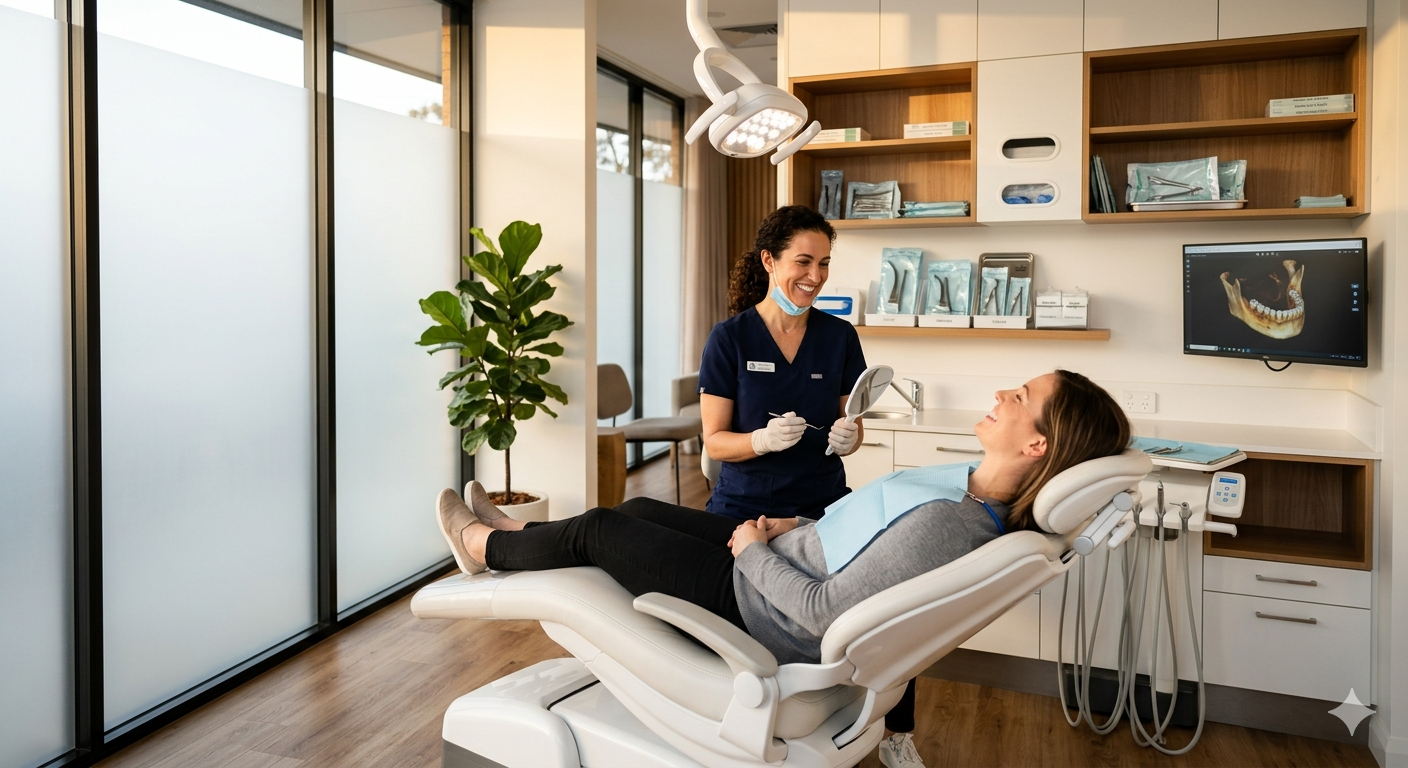
Orthodontic care in Miami, FL offers a variety of choices to help people achieve a healthy, confident smile. Whether someone needs traditional braces or prefers a more discreet option, the city’s dental experts tailor treatments to fit different lifestyles and needs.
The most common orthodontic options in Miami include metal braces, ceramic braces, clear aligners, and lingual braces, each designed to straighten teeth effectively while balancing comfort and appearance. Many patients appreciate how modern technology has made treatments faster and less intrusive than before.
For those worried about the process or wondering what suits them best, Miami’s orthodontists provide personalized consultations. This ensures everyone can find a solution that feels right and supports long-term dental health.
Types of Orthodontic Treatments Available
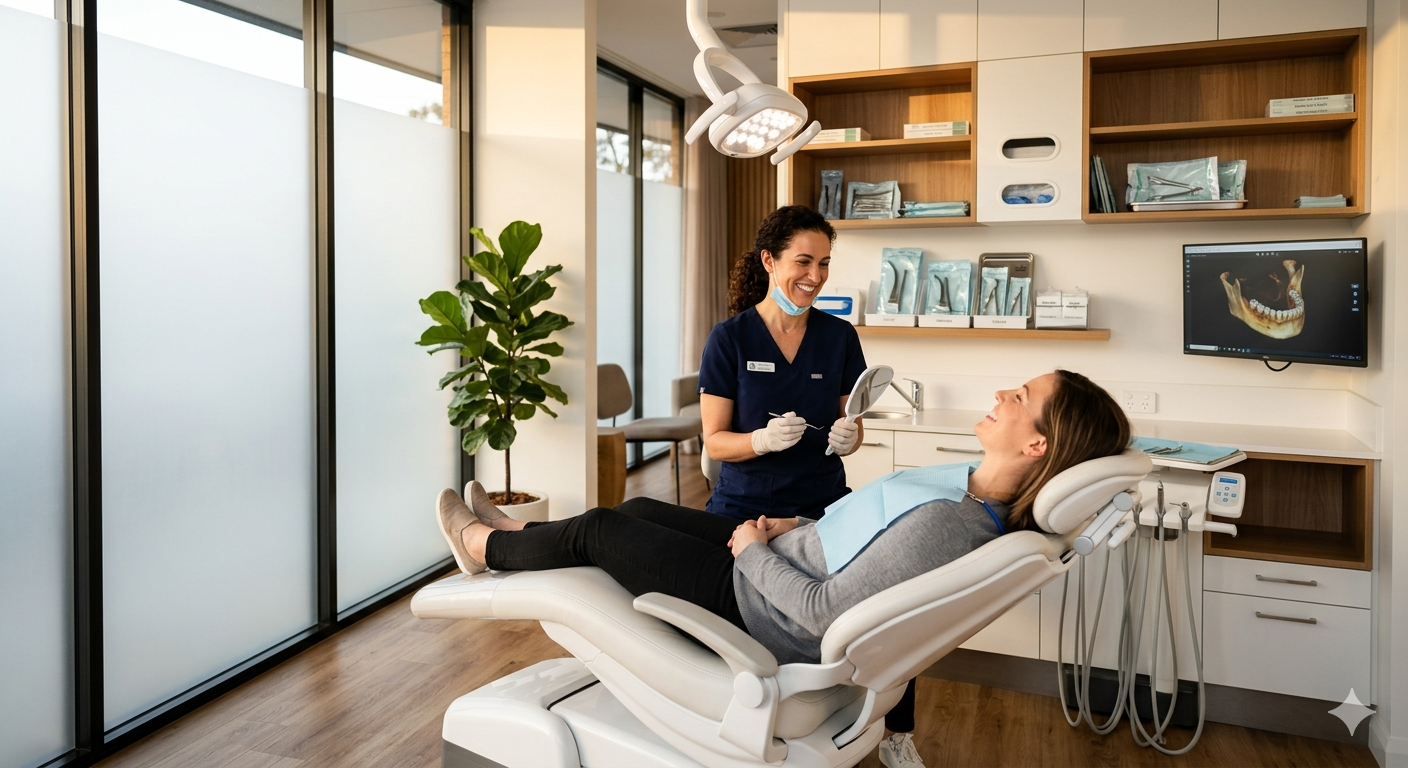
Orthodontic treatments today offer a range of options to suit different needs, lifestyles, and budgets. From classic solutions to nearly invisible choices, patients in Miami have access to treatments designed for comfort and effective results.
Traditional Metal Braces
Traditional metal braces remain one of the most common orthodontic treatments. They consist of stainless steel brackets attached to the teeth and connected by wires, which are tightened periodically to gradually move the teeth into alignment. This method is highly effective for correcting complex dental issues such as severe crowding or bite problems.
Despite their metallic appearance, modern metal braces tend to be smaller and less bulky than before, improving comfort and aesthetics. They are also the most affordable option, making them accessible to many patients. Regular visits are necessary for adjustments and cleaning, but treatment time is often shorter compared to other options.
Ceramic Braces
Ceramic braces work the same way as traditional metal braces but use clear or tooth-colored brackets, making them less noticeable. This makes them a popular choice for adults or teens who want a discreet option without the cost of clear aligners.
They provide strong, steady pressure to shift teeth but can be more fragile than metal braces. Staining is possible if patients consume staining foods or don’t maintain good oral hygiene. Ceramic braces usually cost more than metal but less than some high-end aligners.
Clear Aligners
Clear aligners are custom-made, removable trays that fit snugly over the teeth. These Invisalign-like systems gradually shift teeth over time and are popular for their near invisibility and convenience. Patients can remove them for eating, brushing, and flossing, making daily hygiene easier.
Clear aligners are best for mild to moderate alignment problems. Treatment requires discipline, as the trays need to be worn 20-22 hours daily for effective results. Regular check-ins with the orthodontist ensure progress remains on track.
Lingual Braces
Lingual braces attach to the backside of the teeth, hidden from view. This option is perfect for patients who want the solid results of traditional braces without the visible metal front.
They can correct complex alignment issues but might require an adjustment period for speech and comfort, as the brackets rest close to the tongue. Lingual braces are typically more expensive and may need specialists experienced in this technique.
Each of these options balances visibility, comfort, and effectiveness differently, offering patients choices aligned with their priorities and dental needs.
Choosing the Right Treatment for Your Needs
Finding the most suitable orthodontic option involves balancing several factors, including age, daily habits, and how long the treatment will take. Each choice should align with a patient’s lifestyle and comfort level.
Considerations for Adults Versus Teens
Adults often prefer treatments that fit discreetly into their busy lives. Clear aligners and ceramic braces are popular because they are less noticeable and easier to clean. Additionally, adult patients may have specific dental conditions, such as gum sensitivity, that require gentler treatment options.
Teens, on the other hand, might benefit from traditional metal braces, which are durable and effective for complex corrections. Many orthodontists also offer colorful bands that appeal to younger patients. Teen treatments often consider growth patterns to optimize results, which is less of a factor in adults.
Both age groups require careful evaluation by a specialist to ensure the recommended treatment supports oral health and personal lifestyle.
Lifestyle and Aesthetic Preferences
Choosing an orthodontic option often hinges on how visible the braces will be during daily activities. Clear aligners offer a nearly invisible look and can be removed for eating or special occasions, making them ideal for people who want a low-profile solution.
Some might prioritize convenience and minimal maintenance, favoring options that don’t require frequent adjustments. Others may accept visible appliances if they promise quicker or more thorough corrections. Cleaning routines also differ—removable aligners simplify oral hygiene, whereas fixed braces demand extra care to prevent plaque buildup.
Understanding these preferences upfront helps match each patient with a treatment they feel confident wearing.
Treatment Duration and Commitment
The length of orthodontic treatment varies significantly by method and individual needs. Traditional braces usually take 18 to 24 months, offering control over more complex tooth movements. Clear aligners can sometimes speed up treatment but require diligent daily wear of 20-22 hours.
Patients should consider how the treatment fits with their schedules and willingness to follow instructions. Consistent follow-up visits are essential to track progress and make adjustments. Missing appointments or not wearing removable aligners as prescribed can extend treatment time or reduce effectiveness.
Clear communication with the orthodontist about commitment levels ensures realistic expectations and successful outcomes.
What to Expect During Your Orthodontic Journey
The process begins with understanding the current state of dental health and ends with achieving a healthy, aligned smile. Along the way, the patient experiences personalized planning and regular check-ins that ensure treatment stays on track.
Initial Consultation and Assessment
The first appointment focuses on a thorough examination. The orthodontist evaluates teeth alignment, bite function, and jaw structure using X-rays, photos, and dental impressions. This step identifies any underlying issues like crowding or spacing that need correction.
Patients can expect a discussion about their dental history, lifestyle, and smile goals. This helps the orthodontist recommend the most suitable treatment options. The consultation also includes a clear explanation of potential treatment timelines and costs.
Comfort and answering questions are priorities during the consultation. It sets a foundation of trust and prepares the patient for what lies ahead.
Customizing Your Treatment Plan
Once the assessment is complete, the orthodontist designs a treatment plan tailored to the patient’s unique needs. This plan specifies the type of braces or aligners used, estimated duration, and key milestones.
The plan often includes instructions for daily care, diet adjustments, and hygiene routines. Patients learn how to manage their appliances to avoid damage or discomfort.
Before treatment begins, patients receive detailed explanations about what to expect during adjustments and any possible initial discomfort. This helps ease anxiety and encourages commitment to the process.
Monitoring Progress and Adjustments
Regular visits are scheduled every 4-8 weeks to monitor progress and make necessary changes. During these appointments, the orthodontist tightens wires, replaces elastics, or provides new aligner sets.
These sessions ensure teeth are moving correctly and address any discomfort or issues. Patient feedback during visits is important and helps tailor treatment further if needed.
Staying consistent with appointments and following care instructions play a critical role in the success and speed of the treatment. The orthodontic team works closely with the patient to maintain comfort and motivation throughout this phase.
Cost and Financing Considerations
Understanding the financial aspects of orthodontic treatment helps patients make informed decisions. Options like insurance coverage, payment plans, and the overall investment in oral health all affect affordability.
Insurance and Payment Plans
Many dental insurance plans cover part of orthodontic treatment, but coverage limits differ widely. Typically, insurance may pay for about 50% of braces or aligners, up to a lifetime maximum. Patients should check their specific policy details before treatment.
Providers in Miami often offer flexible payment plans to ease upfront costs. These plans can include low or no-interest monthly payments spread over the treatment period. Some practices also accept CareCredit or similar medical credit cards, allowing patients to manage costs more comfortably. It’s essential to discuss all available options during the initial consultation to find the best financial fit.
Value of Investing in Your Smile
Orthodontic treatment isn’t just cosmetic; it improves bite function, oral hygiene, and long-term dental health. This investment can reduce risks of tooth decay, gum disease, and jaw pain later on, potentially saving money on future dental work.
A well-aligned smile can also boost confidence and social comfort, impacting personal and professional life positively. When weighing costs, considering these lasting benefits helps clarify why many find orthodontic care worthwhile. Many orthodontists in Miami emphasize creating custom treatment plans to balance effectiveness and budget.
Caring for Your Braces or Aligners
Maintaining braces or aligners requires consistent attention to keep teeth healthy and treatment on track. Proper cleaning and mindful eating habits protect your appliances and support effective orthodontic results.
Daily Oral Hygiene Tips
Braces and aligners trap food and plaque easily, so thorough cleaning is essential. Patients should brush after every meal using a soft-bristle toothbrush and fluoride toothpaste. Pay special attention around brackets and wires; small interdental brushes or water flossers can help clean tight spaces.
For aligner users, remove the trays before eating or drinking anything besides water. Clean them daily with a gentle, non-abrasive cleaner to prevent odor and bacteria buildup. Avoid toothpaste, which can scratch plastic surfaces. Rinsing trays each time they are removed also keeps them fresh.
Regular flossing remains vital. Dental threaders simplify flossing around braces. Consistency in these habits supports healthy gums and reduces the risk of cavities during treatment.
Foods to Avoid
Certain foods can damage braces or harm aligners, disrupting progress. Hard foods like nuts, popcorn, and ice can break brackets or wires. Sticky candies and chewing gum tend to get stuck, making cleaning difficult and increasing decay risk.
Aligner wearers should avoid sugary and acidic drinks without removing trays, which can erode enamel or stain plastic. Crunchy fruits and raw vegetables should be cut into small pieces to prevent appliance damage.
Soft, nutritious foods such as yogurt, cooked vegetables, and tender meats are safer choices. Patients who stick to these guidelines protect their smile and avoid unnecessary repairs.
Why Local Expertise Matters in Miami FL
Choosing an orthodontist familiar with Miami’s unique community and lifestyle means patients get care tailored to their specific needs. Local expertise ensures treatment fits both the climate and the cultural environment, making the experience smoother and more comfortable.
Benefits of Working With a Miami Orthodontist
Miami orthodontists understand the busy, active lifestyle common in the area. They often offer flexible scheduling to fit work and family commitments. Being part of the community, they know about local schools and activities, which helps when planning treatment timelines like aligning braces removal with important events.
Additionally, Miami specialists are up to date with the latest orthodontic technologies that work well in humid climates, such as moisture-resistant materials. That can reduce irritation and improve comfort during treatment.
Key benefits:
- Customized treatment plans based on local lifestyle
- Access to state-of-the-art, climate-compatible orthodontic technology
- Familiarity with community resources and support systems
Convenience of Local Follow-Ups
Regular check-ups are essential for successful orthodontic care. Having a local provider makes appointments easier to schedule and attend without long travel times. This reduces stress, especially for families managing busy days.
If any adjustments or emergencies arise, a nearby orthodontist can provide timely care quickly. This helps prevent prolonged discomfort or disruptions in treatment progress.
With local follow-ups, patients receive consistent monitoring and personal attention. That continuity builds trust and ensures the best results.
Follow-up advantages include:
- Reduced travel time and more flexible appointment options
- Faster response to urgent treatment needs
- Stronger relationships through ongoing care interactions
Taking the Next Step Toward a Confident Smile
Choosing the right orthodontic treatment starts with a simple conversation. A consultation in Miami gives patients a chance to discuss their goals and explore options tailored to their lifestyle.
Comfort and convenience are key factors in today’s treatments. From clear aligners to traditional braces, each method offers unique benefits. For example, clear aligners are nearly invisible and removable, making day-to-day wear easier.
Here’s what patients can expect during their first visit:
| Step | Description |
|---|---|
| Initial Exam | Comprehensive check of teeth and jaw alignment |
| Personalized Plan | Customized options based on needs and preferences |
| Cost and Timeline Info | Clear explanation of treatment duration and expenses |
Many worry about discomfort, but modern braces and aligners are designed with patient comfort in mind. Gentle adjustments and advanced materials reduce soreness typically associated with braces.
Taking that first step leads to more than a straighter smile. It often means improved oral health and boosted confidence. Encouraging patients to ask questions and voice concerns helps build trust throughout their journey.
Anyone considering orthodontics in Miami should schedule a visit soon. Understanding all options is a helpful step toward achieving a smile they feel proud to share.
Frequently Asked Questions
Many people want to understand their options, costs, and what to expect during orthodontic treatment. Comfort and timing also matter, especially when deciding between braces or clear aligners.
What’s the difference between traditional braces and clear aligners, and how do I know which is right for me?
Traditional braces use metal brackets and wires to move teeth, offering precise control for more complex cases. Clear aligners are removable trays that gradually shift teeth, ideal for mild to moderate alignment issues.
The choice depends on the patient’s specific dental needs, lifestyle, and preferences. An orthodontist can recommend the best option after an initial evaluation.
How much do orthodontic treatments typically cost, and what kinds of monthly payment plans are common?
Costs in Miami typically range from $3,000 to $7,000, depending on the treatment type and complexity. Many offices offer flexible monthly payment plans, often spreading the cost over 12 to 36 months.
Some also accept insurance or financing options to help manage expenses.
How long will treatment usually take for a teen or adult, and what factors can make it shorter or longer?
Treatment time averages 12 to 24 months but varies based on age, dental issues, and patient compliance. Teens often see faster results due to growing bones.
Factors like the severity of misalignment and missed appointments can extend treatment.
Do braces or aligners hurt, and what can I do to stay comfortable during the first few days?
Some discomfort is common as teeth start moving, usually mild soreness lasting a few days. Over-the-counter pain relievers and soft foods can ease discomfort.
Orthodontic wax can prevent irritation from braces, and aligners can be removed temporarily if needed.
Can an orthodontist help if I have wisdom teeth coming in or crowding my other teeth?
Yes. Orthodontists assess how wisdom teeth impact alignment and may coordinate removal if necessary. They also plan treatment to address crowding and create enough space.
Early evaluation helps prevent complications later.
How do I choose an orthodontist near me, and what should I ask during a first consultation?
Look for a licensed orthodontist with positive patient reviews and modern treatment options. During your visit, ask about experience with cases like yours, treatment timelines, and comfort measures.
Clear answers and a welcoming office help build confidence in your choice.