
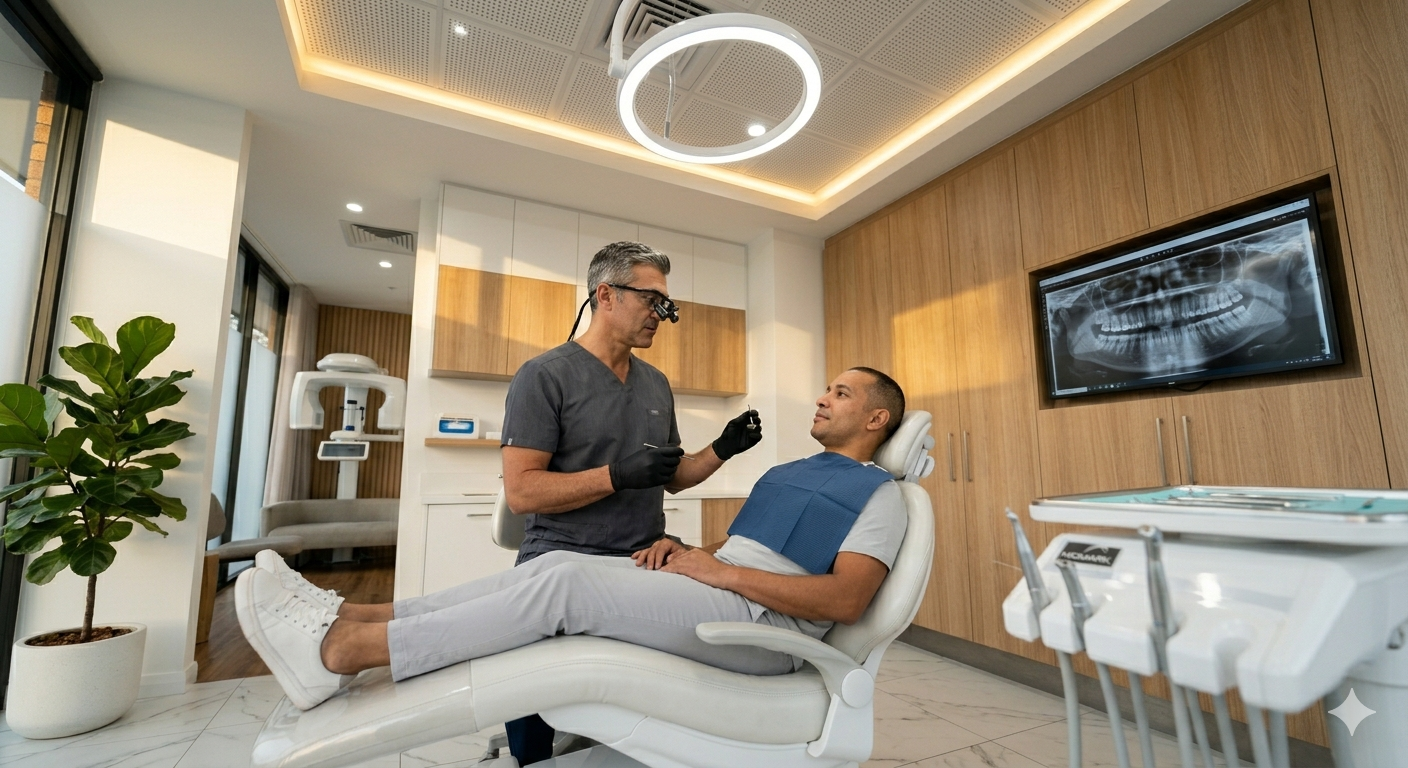
You’re looking for orthodontic options in Miami and want clear, practical guidance tailored to your needs. You can choose from modern clear aligners, traditional braces, and specialized treatments in Miami clinics that focus on comfort, aesthetics, and efficient results.
Miami orthodontists combine up-to-date technology with flexible payment and insurance options, making it easier to find a plan that fits your lifestyle and budget. Expect a straightforward evaluation, personalized treatment plans for unique smiles, and guidance on aftercare to keep results lasting.
Understanding Orthodontic Care in Miami
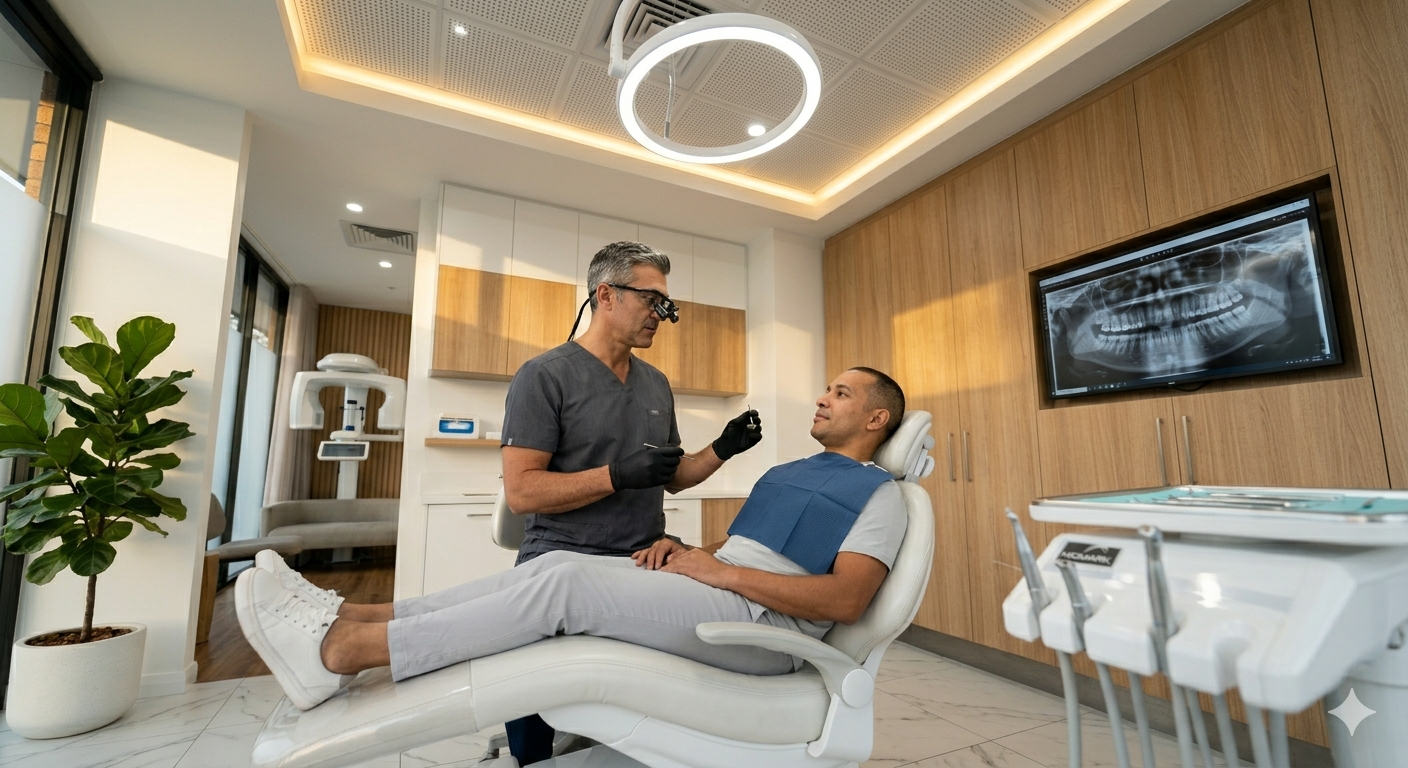
Miami patients choose orthodontic care for function, appearance, or both. Local providers offer a range of options from traditional braces to clear aligners, and community factors like age distribution, bilingual services, and aesthetic preferences shape treatment choices.
Who Benefits from Orthodontic Treatment
Orthodontics helps children, teens, and adults who have misaligned teeth, bite problems, or jaw pain. Children benefit from early intervention to guide jaw growth and prevent more invasive work later; the American Association of Orthodontists recommends an evaluation by age 7 for certain risk signs like crowding or asymmetric bites.
Teens often need braces or clear aligners to correct crowding, spacing, and bite alignment during growth. Adults seek treatment for long-standing alignment issues, relapse after earlier treatment, or to improve prosthetic and restorative outcomes. Patients with sleep-disordered breathing or TMJ symptoms may also gain improvement when orthodontic care addresses airway or occlusion.
Overview of Local Orthodontic Providers
Miami hosts a mix of solo orthodontists, multi-specialty dental groups, and boutique practices focused on cosmetic orthodontics. Many practices advertise Invisalign, lingual braces, and accelerated orthodontics; readers should verify board certification and years of experience treating cases similar to theirs.
Look for providers offering digital scanning, 3D treatment planning, and on-site labs for faster turnaround. Ask about financing, insurance coordination, and follow-up retention plans. Verify language options—Spanish and Portuguese are commonly available—and check patient reviews for punctuality, comfort measures, and treatment transparency.
How Miami’s Community Influences Care Choices
Miami’s diverse population and emphasis on aesthetics increase demand for discreet options like clear aligners and lingual braces. High summer tourism and social events make shorter appointment times and predictable treatment timelines attractive to working professionals and frequent travelers.
Cultural preferences may affect smile goals—providers often tailor esthetic endpoints to patient expectations, such as tooth display and gum contouring. Environmental factors, like humidity affecting appliance adhesives and frequent relocation, mean practices commonly offer flexible scheduling and remote monitoring to accommodate busy, mobile patients.
Modern Braces and Clear Aligners
Patients in Miami can choose between robust metal systems, discreet ceramic options, and removable clear aligners to correct crowding, gaps, and bite issues. Cost, treatment speed, appearance, and lifestyle factors—like sports or public-facing jobs—drive the best choice for each person.
Advancements in Traditional Metal Braces
Modern metal braces use smaller, more comfortable brackets and low-profile wires compared with older systems. Nickel-titanium archwires apply consistent, gentle force to move teeth more steadily, often shortening active treatment by weeks or months.
Self-ligating brackets reduce friction and may decrease chair time because they don’t require elastic ties; patients often notice fewer emergency visits for broken ligatures. Stainless steel brackets remain the most cost-effective option and perform well for complex movements like severe rotations or large bite corrections.
Orthodontists now offer colorful or muted elastic options for personalization, and protective padding helps with soft-tissue comfort during the first days after placement. Regular adjustments every 4–8 weeks and good oral hygiene remain essential to avoid decalcification and maintain progress.
Ceramic and Tooth-Colored Braces
Ceramic braces use tooth-colored or clear brackets that blend with enamel, making them less visible than metal. They work similarly to metal braces, so they handle most alignment issues, but the ceramic material is more brittle and can chip under heavy force.
Tooth-colored archwires and clear ligatures improve aesthetics, though staining of elastics can occur from coffee, red wine, or smoking. Ceramic brackets may slightly increase treatment time for some cases because practitioners limit force to protect the brackets from breakage.
Patients who prioritize appearance—professionals, college students, or adults—often choose ceramic braces for the balance of efficiency and discretion. Proper cleaning and avoiding hard or sticky foods help preserve bracket integrity and appearance.
Exploring Clear Aligners Like Invisalign
Clear aligners use a series of custom, removable plastic trays to move teeth incrementally. Patients receive aligner sets every 1–2 weeks and wear them about 20–22 hours per day; this removability makes eating and brushing easier than with fixed braces.
Aligners excel at treating mild to moderate crowding, spacing, and many bite issues; complex tooth rotations or severe vertical corrections sometimes still require braces or attachments. Attachments—small composite bumps bonded to teeth—help aligners grip and perform certain movements more predictably.
Digital scanning and 3D treatment planning provide visual timelines and simulate end results before treatment starts. Cost and discipline matter: aligners can match or exceed braces costs, and success depends on adherence to wear time and care instructions. Patients who value minimal visibility and hygiene control often prefer this option.
Specialized Solutions for Unique Smiles
This section highlights discreet options, lower-friction systems for faster movement, and tailored approaches for teens and adults seeking comfort and predictable results.
Lingual Braces for Discreet Treatment
Lingual braces attach to the tongue-side of teeth, keeping hardware hidden from view. They suit professionals and adults who want correction without a visible appliance.
They require customized brackets and archwires made from precise impressions or digital scans. That customization improves fit and comfort but typically increases cost and adjustment time compared with labial braces.
Patients may notice changes in speech and increased tongue awareness during the first few weeks. Experienced orthodontists minimize these effects through careful bracket placement and progressive wire changes.
Ideal cases include mild-to-moderate crowding and some tooth rotations; very severe bite issues can be more challenging. Discuss candidacy, estimated treatment time, and expected costs during a consultation.
Self-Ligating and Speed Braces
Self-ligating braces use built-in clips or doors instead of elastic ties, reducing friction and often permitting gentler force application. Many patients experience fewer office visits and slightly faster tooth movement in certain cases.
Two common types exist: passive systems that allow more free wire movement and active systems that exert continuous pressure. Each type changes how the archwire engages the bracket and influences tooth control.
Benefits include easier hygiene (no elastics to trap food), potentially shorter chair time at adjustments, and comfortable force levels. Clinical outcomes depend on case complexity and orthodontist technique rather than bracket brand alone.
Patients should ask about expected interval between visits, average treatment length for their specific alignment goals, and any up-front cost differences compared with traditional braces.
Orthodontic Care for Teens and Adults
Treatment planning differs by age: teens often receive growth-friendly strategies like palatal expanders, while adults commonly need multidisciplinary coordination with periodontal or restorative care. Bone density and periodontal health influence technique and timing for adults.
Orthodontists evaluate tooth movement limits, gum condition, and long-term stability before recommending braces or aligners. Adults may prefer clear aligners, ceramic brackets, or lingual options to balance aesthetics and effectiveness.
Retention matters more for adults because relapse risk increases without consistent retainer use. Providers typically prescribe removable or fixed retainers and set a maintenance schedule to preserve results.
Insurance, treatment duration, and comfort expectations vary; clear communication about staged treatments, possible extractions, or restorative needs helps patients decide confidently.
What to Expect During Treatment
Patients will learn what happens at the first visit, the sequence of procedures, and practical tips for comfort and daily life during orthodontic care. The following paragraphs explain appointments, timelines, appliance adjustments, oral hygiene needs, and small lifestyle changes that make treatment smoother.
Your First Consultation Experience
At the first consultation, the orthodontist reviews medical and dental history and performs a focused exam of the teeth, bite, and jaw. They take digital X-rays, intraoral photos, and a 3D scan or impressions to map tooth positions precisely.
The clinician explains recommended options—traditional braces, clear ceramic braces, or clear aligners—and shows estimated treatment length and cost ranges. Patients receive a written treatment plan with timelines for tooth movement milestones and appliance placement.
Insurance, payment plans, and any preparatory work such as extractions or fillings are discussed so scheduling is clear. The patient can ask about comfort expectations and emergency contacts before committing to treatment.
Step-by-Step Treatment Journey
Appliance placement occurs at the start: brackets bonded for braces or fittings and scans for aligner series. For braces, bands or elastic hooks may be placed; for aligners, patients get the first sets and instructions for wear time—typically 20–22 hours per day.
Follow-up visits happen every 4–8 weeks for braces and every 6–10 weeks for aligner progress checks. Each appointment includes adjustments or new aligner sets, with records taken periodically to monitor movement and adjust the plan if needed.
Average treatment lengths: mild aligner cases 6–12 months, moderate braces 12–24 months, complex corrections up to 30 months. Retainers are fitted at the end and patient-specific retention schedules—often full-time for the first few months, then nights—help maintain results.
Comfort Tips and Lifestyle Adjustments
Expect soreness after initial placement or adjustments for 3–7 days; over-the-counter pain relievers and soft foods reduce discomfort. Orthodontic wax soothes bracket irritation, while rinsing with warm salt water helps inflamed spots heal faster.
Maintain brushing and flossing after every meal. Use interdental brushes for braces and a travel toothbrush for aligners; soaking aligners nightly in a cleaner prevents odor and staining. Regular dental cleanings remain important—schedule them every 3–6 months.
Avoid hard, sticky, or very crunchy foods with braces—nuts, popcorn, hard candy, and gum can break wires or dislodge brackets. For aligner wearers, remove aligners only to eat or drink anything other than plain water and store them in a protective case to prevent loss or damage.
Affordability and Insurance Considerations
Costs and coverage shape many patients’ choices. Clear estimates, payment flexibility, and knowing insurer rules help families plan for orthodontic care without surprises.
Understanding Treatment Costs
Orthodontic prices in Miami typically range by treatment type: metal braces ($3,000–$6,000), ceramic braces ($4,000–7,000), and clear aligners ($3,500–8,000). These figures depend on case complexity, treatment length, and whether extra procedures (extractions, jaw surgery, mini-implants) are required.
Dental offices usually provide itemized estimates that list diagnostic records, appliance fees, monthly adjustments, and retention (retainer) costs. Patients should request a written treatment plan showing total cost, projected timeline, and any staged payments.
Ask the office about additional fees: emergency visits, replacement retainers, or refinement aligner sets. Seniors and children may qualify for different pricing or discounts. Schools of dentistry and community clinics sometimes offer lower-cost care supervised by specialists.
Navigating Insurance and Payment Plans
Most dental insurance plans offer partial orthodontic coverage, typically 25%–50% up to a lifetime maximum (commonly $1,000–$2,000). Coverage often applies only to dependent children and may require a waiting period or pre-authorization. Patients should verify lifetime maximums, age limits, and whether the insurer uses in-network fee schedules.
Orthodontic offices in Miami commonly accept major insurers and provide benefits checks before treatment starts. Many practices split remaining balances into interest-free monthly plans or low-interest third-party financing (6–24 months). Compare options: an in-office plan may be simpler, while third-party financing can extend payments longer with varying rates.
Collect documentation: pre-treatment photos, X-rays, and the official insurance predetermination. That reduces claim denials and speeds reimbursements. Encourage patients to bring insurance cards and ask reception staff to estimate out-of-pocket responsibilities before signing any agreement.
Choosing the Right Orthodontist in Miami
Selecting an orthodontist affects treatment quality, comfort, and long-term oral health. Prioritize verifiable experience, clear communication, and a practice that adapts options to each patient’s needs.
Evaluating Experience and Patient Reviews
Look for licensed orthodontists with specific credentials: a DDS or DMD plus a residency in orthodontics or board certification from the American Board of Orthodontics. Those credentials indicate advanced training beyond general dentistry and a commitment to standards.
Check measurable experience: years in practice, number of cases treated, and documented outcomes for treatments like Invisalign, ceramic braces, and surgical-orthodontic cases. Request before-and-after photos for cases similar to the patient’s age and issue.
Use patient reviews strategically. Focus on repeated themes: appointment punctuality, staff friendliness, clarity of cost estimates, and how the practice handles complications. Give more weight to detailed reviews that mention treatment duration, pain management, and follow-up care.
Verify information on multiple sources: Google, Healthgrades, state dental board, and the practice’s own case gallery. Call the office with specific questions about experience with your case type to confirm what reviews and credentials suggest.
The Importance of a Personalized Approach
Personalized care begins with a thorough intake: medical history, detailed diagnostic records (digital X-rays, 3D scans), and a clear treatment plan with timelines and alternatives. Practices that skip any of these steps may offer one-size-fits-all solutions rather than tailored plans.
Assess communication style during the consultation. An orthodontist who explains why a particular appliance suits the patient’s bite, age, and lifestyle helps set realistic expectations. They should discuss trade-offs — for example, faster tooth movement vs. potential discomfort — and present multiple options when appropriate.
Consider logistics that affect adherence: office hours, emergency access, financing plans, and follow-up frequency. A practice that offers clear cost breakdowns, flexible payment plans, and convenient scheduling supports treatment success.
Look for practices that integrate comfort measures — topical anesthetics, clear aligner calibration, or sedation options — when needed. Those details reflect attention to patient experience as well as clinical outcomes.
Aftercare and Maintaining a Healthy Smile
Routine follow-up, consistent wear of retainers, and simple daily habits protect orthodontic results and oral health. Timely checkups and clear home-care steps reduce relapse risk and keep teeth, gums, and appliances in good condition.
Retainers and Ongoing Care
Retainers prevent teeth from shifting back after braces or clear aligners. Fixed (bonded) retainers typically stay behind the front teeth and require careful flossing with a threader; removable retainers, like Essix or Hawley, should be worn as directed—often full-time for the first few months, then nightly.
Schedule retention checkups every 6–12 months the first year, then at least annually. The orthodontist inspects fit, repairs loose bonds, and adjusts bite issues early to avoid larger problems.
Clean removable retainers daily with a soft brush and mild soap; avoid hot water and abrasive pastes. For bonded retainers, use interdental brushes and floss threaders to remove plaque. Replace lost or damaged retainers promptly to prevent relapse.
Daily Habits for Lasting Results
Brush twice daily with a fluoride toothpaste and a soft-bristled brush, paying special attention to gum lines and around any appliance. Floss once a day; use floss threaders, interdental brushes, or a water flosser if wires or attachments are present.
Limit sticky, hard, and very sugary foods that can damage appliances or increase decay risk. Drink water after meals to help clear debris and neutralize acid.
Attend routine dental cleanings every six months and report any soreness, loosened brackets, or sudden tooth movement right away. Consistent home care plus scheduled professional visits preserves alignment and gum health over the long term.
Taking the Next Step Toward Your Best Smile
Patients often feel unsure about where to start, but scheduling a consultation makes the process simple and informative. A qualified orthodontist will review medical history, examine teeth, and discuss goals in plain language.
During the visit, they may use digital scans or X-rays to create a clear treatment plan. These tools help show expected results, timelines, and cost estimates so patients can make confident decisions.
Treatment options typically include traditional braces, clear aligners, and less visible alternatives like ceramic brackets. The orthodontist will explain pros and cons of each option and recommend what fits the patient’s lifestyle and oral health.
Many practices offer flexible financing and insurance guidance to reduce stress about payments. Staff can outline payment plans, expected out-of-pocket costs, and possible insurance coverage.
Comfort and convenience matter, and modern practices prioritize both with gentle techniques and shorter appointment times. They also provide clear instructions for home care and easy ways to contact the office with questions.
Encourage patients to bring a list of questions and photos of smiles they like to the appointment. A single consultation can turn uncertainty into a personalized plan and a clear path forward toward a healthier, more confident smile.
Frequently Asked Questions
This section answers practical concerns about treatment types, costs, timelines, medical considerations, choosing a provider, and what happens at the first visit. It focuses on specific expectations for patients seeking orthodontic care in Miami, FL.
What are the main differences between braces and clear aligners, and how do I know which is best for me?
Traditional braces use metal or ceramic brackets and archwires fixed to the teeth; they move teeth reliably and handle complex cases like large rotations or severe bite corrections. Clear aligners are removable, nearly invisible trays that work well for mild to moderate crowding and spacing, and they require strict daily wear (typically 20–22 hours) for best results.
An orthodontist evaluates bite, tooth movement needed, oral hygiene ability, and lifestyle preferences to recommend a system. Patients with heavy grinding, poor compliance, or very complex skeletal issues often fare better with braces; those valuing aesthetics and convenience may prefer aligners if clinically appropriate.
How much do orthodontic treatments typically cost, and what payment plans are commonly available?
In Miami, full-course braces usually range from $4,000 to $7,500 depending on materials and complexity. Clear aligner plans commonly cost between $3,500 and $6,500, though prices vary with treatment length and whether the plan is clinic-supervised or direct-to-consumer.
Most practices offer in-house financing, monthly payment plans, third-party credit options, and discounts for upfront payment. Many dental insurance plans cover a portion for children and sometimes adults; patients should verify annual maximums and lifetime orthodontic limits.
How long does treatment usually take, and what factors can make it shorter or longer?
Average treatment time for traditional braces is 18–30 months; clear aligner cases often complete in 6–18 months for mild to moderate issues. Severity of malocclusion, patient age, bone density, and the need for tooth extractions influence duration.
Compliance and appointment adherence can shorten timelines, while missed visits, inconsistent aligner wear, and complicated jaw discrepancies typically extend treatment. Using adjuncts like temporary anchorage devices (TADs) or accelerated orthodontic techniques may reduce duration in selected cases.
Can I safely get braces or aligners if I have osteoporosis or take bone-related medications?
Osteoporosis itself does not automatically preclude orthodontic treatment, but it can affect bone remodeling and tooth movement speed. Bisphosphonates and certain other bone-modifying drugs carry a low but real risk of medication-related osteonecrosis of the jaw (MRONJ), so coordinated care is essential.
The orthodontist will review medical history, consult the prescribing physician or specialist, and may modify force levels, monitoring frequency, or recommend alternative approaches. A thorough risk-benefit discussion and possible drug holiday (only under physician approval) help ensure safe planning.
How do I choose a trustworthy orthodontist, and what should I look for in reviews and before-and-after photos?
Look for board certification or membership in reputable organizations (e.g., American Association of Orthodontists). Verify years of experience, office accreditations, and whether the practice uses modern imaging like CBCT or digital scanners for treatment planning.
Read multiple patient reviews for recurring themes about communication, comfort, and results rather than single-star outliers. Before-and-after photos should show consistent case types, clear timelines, and no evidence of heavy editing; ask about cases similar to your concerns and request references if needed.
What can I expect at my first orthodontic consultation, and will it be comfortable?
The initial visit typically includes a clinical exam, dental X-rays or a digital scan, photos, and a discussion of goals and treatment options. The visit is noninvasive and usually comfortable; taking a medical history and answering questions helps the doctor personalize the plan.
The orthodontist will present estimated costs, projected timelines, and retention plans, and will answer questions about comfort, hygiene, and lifestyle changes during treatment. Patients often leave with printed or digital treatment outlines and next-step scheduling if they choose to proceed.